

- Google implements new protocols like gws_rd=ssl to ensure website security and prevent phishing scams by requiring SSL protection.
- The gws_rd=ssl error occurs when a website lacks SSL protection, leading users to be redirected to HTTPS versions for secure browsing.
- To fix the gws_rd=ssl error, add "HTTPS" before the URL and ensure the site is SSL-secured to prevent security messages on Google.
Have you ever clicked on a Google search result or typed something into your browser and noticed a strange URL ending in ?gws_rd=ssl? If yes, you’re not alone. Many users still find this confusing, even in 2026. Some even think it’s an error. But here’s the truth:
gws_rd=ssl is not an error. It’s a redirection parameter used by Google to route you to a secure HTTPS version of its services.
In this updated 2026 guide, we’ll break down exactly what gws_rd=ssl means, why you’re seeing it, and whether there’s anything you need to fix. We’ll also cover browser behavior, HTTPS redirection, and actionable steps for users, developers, and website owners.
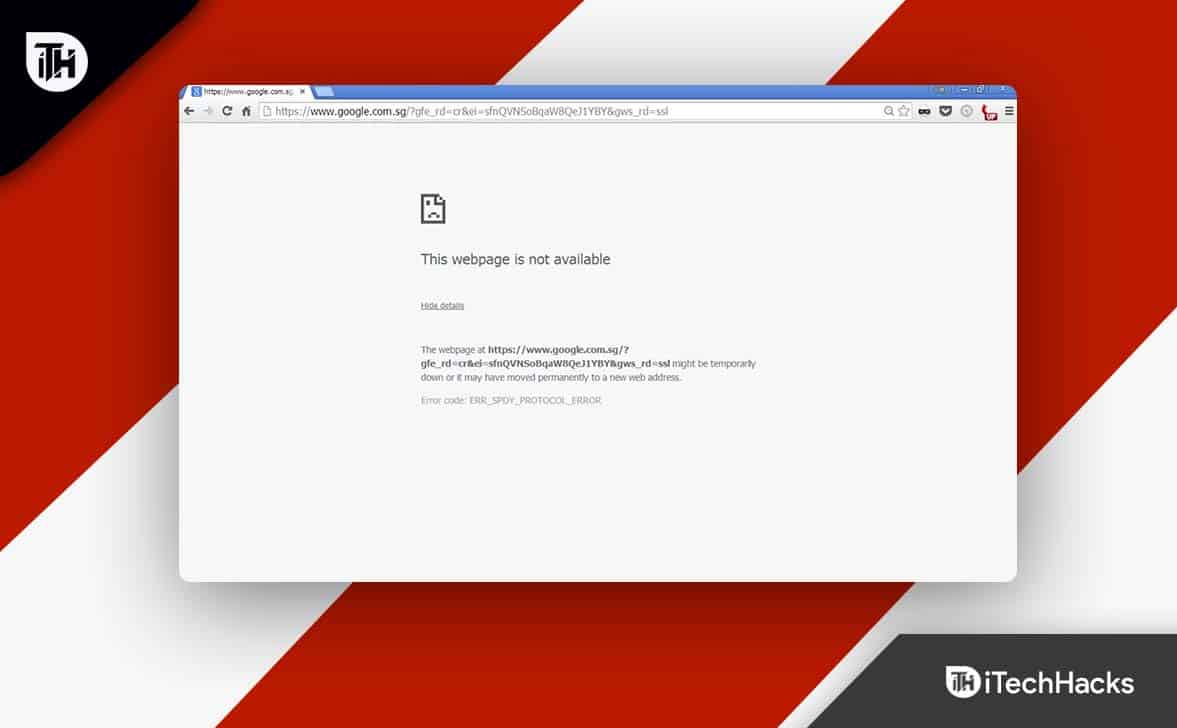
What Is gws_rd=ssl and Why Do You See It?
The string gws_rd=ssl appears in some URLs when a user is redirected from an insecure HTTP connection to a secure HTTPS connection—typically when visiting Google or any website linked via Google’s servers.
- gws = Google Web Server
- rd = redirect
- ssl = Secure Sockets Layer (modern browsers now use TLS, but SSL remains the common term)
Put simply, when you visit http://google.com, Google’s server redirects you to https://www.google.com/?gws_rd=ssl. This is Google’s internal way of flagging a secure redirect.
- You manually type http:// instead of https://
- You click on outdated links pointing to non-HTTPS versions of websites
- You use bookmarks saved before HTTPS enforcement
- A website doesn’t handle HTTPS redirection properly, and Google steps in
But let’s be clear: this isn’t an error. It’s part of Google’s security infrastructure and has been in place for many years, still actively working in 2026.
Is gws_rd=ssl a Problem You Need to Fix?
In most cases, no action is required. However, here are scenarios where you might want to fix or clean up gws_rd=ssl:
- As a user, you may want cleaner URLs in your address bar or avoid redirects that cause delays.
- As a website owner, you may notice your site being linked with
gws_rd=ssl, and you want to ensure visitors reach the HTTPS version directly without needing Google’s intervention. - As an SEO professional, you may want to avoid any redirect chains that could slow down crawl budget or dilute ranking signals.
For Users: How to Deal With gws_rd=ssl Redirects
If you’re just browsing the internet and you encounter gws_rd=ssl, it’s usually harmless. But if you find the redirects annoying or want to stop seeing it, here are a few practical things you can do:
1. Update Your Bookmarks
Many users still have old bookmarks saved with http:// instead of https://. This causes the browser or Google to perform a redirect and add the gws_rd=ssl string.
- Go to your bookmarks manager
- Find the bookmark showing
http:// - Manually edit it to use
https:// - Remove
?gws_rd=sslor any unnecessary query strings
This ensures that next time, you go straight to the secure page without relying on Google’s redirect system.
2. Type HTTPS Directly in the Address Bar
If you’re used to typing website URLs manually, make it a habit to use the full https:// prefix. Modern browsers often auto-correct this, but not always.
Use: https://example.com
This avoids triggering Google’s redirection and you won’t see the parameter at all.
3. Clear Your Browser Cache or DNS
Sometimes your browser holds on to cached redirect chains. If you’re being constantly redirected—even after changing the URL—you may need to flush the DNS and clear cache.
- Open Developer Tools (F12)
- Right-click the refresh icon
- Select “Empty Cache and Hard Reload”
For Website Owners: How to Prevent gws_rd=ssl Redirects to Your Site
If your domain appears with gws_rd=ssl in Google search or referral traffic reports, it’s a sign that Google had to enforce HTTPS on your behalf. While this isn’t dangerous, it indicates that your own redirection rules may not be in place or working correctly.
1. Install and Configure SSL Correctly
Make sure your website has a valid SSL/TLS certificate. In 2026, this is non-negotiable. Most hosting platforms offer free SSL via Let’s Encrypt or paid options.
- Your certificate must not be expired
- It must be linked to your domain name
- Subdomains should be covered (or use a wildcard SSL)
- Redirects from HTTP to HTTPS should be automatic
Once you have SSL configured, test it with SSL Labs’ SSL Test.
2. Set Up 301 Redirects from HTTP to HTTPS
You need to ensure that visitors (and bots) are automatically taken to the HTTPS version of every page without Google’s help.
Apache (.htaccess):
NGINX:
Avoid 302 or 307 redirects here. Always use a 301 (permanent) redirect for HTTPS.
3. Enable HSTS (HTTP Strict Transport Security)
HSTS instructs browsers to never try the HTTP version of your site, and to always use HTTPS for a set period.
Apache:
NGINX:
You can also submit your domain to the HSTS preload list so that browsers enforce HTTPS before the first request is even made.
4. Use Canonical URLs Without the Query String
Make sure your canonical URLs in HTML and HTTP headers exclude gws_rd=ssl or any redirect-related query strings. Your canonical URL should always be:
Never:
This helps search engines correctly index your content and prevents duplicate content issues.
Developer Note: Why Google Uses gws_rd=ssl
The gws_rd=ssl parameter is part of Google’s internal redirect logic, specifically from the days when users frequently visited http://google.com. Rather than show an error, Google began appending this flag to denote a redirect from HTTP to HTTPS via Google Web Server.
Even now in 2026, if a site lacks proper 301 redirects or SSL, Google may automatically insert this redirect behavior to avoid security warnings for the user.
Think of it as a fallback—not the ideal setup.
Final Thoughts
By 2026, secure browsing is no longer optional. SSL is a baseline standard. Google’s use of gws_rd=ssl is just one part of its broader effort to push the web towards full encryption.
You don’t need to panic if you see this parameter. But if you’re a website owner, it’s worth auditing your SSL setup, redirects, and URL structure to ensure you’re not relying on Google to do what your server should be handling.
Whether you’re a user trying to clean up your browsing experience or a webmaster focused on SEO and user trust, now’s the time to tighten your HTTPS setup and reduce reliance on third-party redirects.
READ NEXT:
- How To Fix Geeni Smart Bulbs Not Working with Google Home
- How to Fix PR_END_OF_FILE_ERROR (SSL) in Firefox
- How To Fix ‘SSL_error_handshake_failure_alert’ in Browsers
- How To Enable DApp Browser On Trust Wallet
- Fix EA Server Down (Unable to Connect) or FIFA 23 Not Working
- How to Fix Bose SoundSport Wireless Headphones Not Turning On