

- Tiny11 is a simplified version of Windows 11 made by removing unused features from the original system, aiming to run smoothly on older, less powerful computers with less storage and RAM.
- It supports two main types of processors: x64 for most standard PCs and laptops, and ARM64, which is suitable for some Microsoft devices and Macs using virtual machines, both of which save resources compared to the standard installation.
- To safely download Tiny11, users should only get it from the Internet Archive, following specific steps to ensure they receive the correct, secure version, and can then install it by creating a bootable USB.
In the world of operating systems, Windows 11 has established itself as a robust, feature-rich platform. However, for many users, “feature-rich” is just a polite way of saying “bloated.” With every major update – including the recent 25H2 release – Microsoft adds more telemetry, more pre-installed apps, and higher hardware requirements.
For users with older hardware, limited RAM, or simply a desire for a pure, minimalist computing experience, the standard Windows 11 installer is a nightmare.
Enter Tiny11.
Developed by the legendary modder NTDEV, Tiny11 has become the gold standard for stripped-down Windows installations. It is Windows 11 without the fat: no Clipchamp, no Edge bloat, no forced Microsoft Account, and significantly reduced disk usage.
This guide covers everything you need to know about the latest Windows 11 25H2 Tiny11 ISO, the differences between the x64 and ARM64 versions, and how to perform a Tiny11 download safely to revitalize your PC.
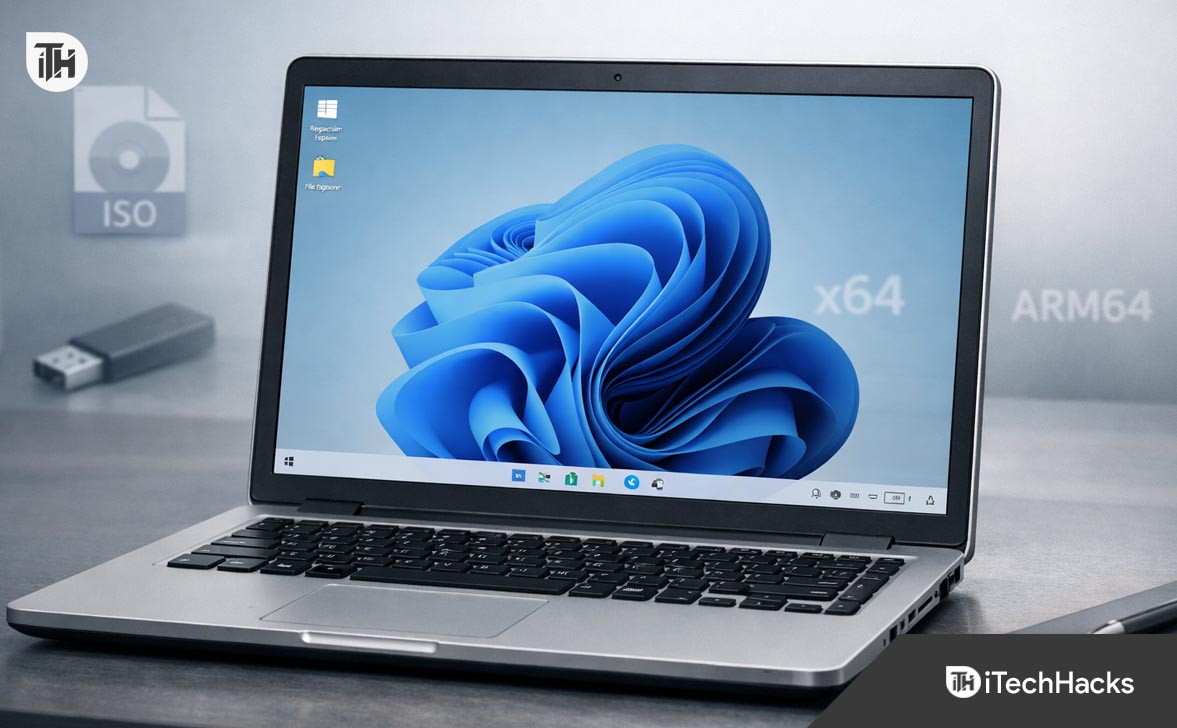
What is Tiny11 25H2?
Tiny11 is not a “cracked” or “pirated” version of Windows. It is a modification of the official Microsoft ISO. The developer, NTDEV, takes the official installer and uses widely available tools (like OSDBuilder and MSMG Toolkit) to remove unnecessary components before the installation begins.
The result is an operating system that looks and feels exactly like Windows 11 but runs on a fraction of the resources.
The “25H2” Update Context
By early 2026, the 25H2 update (often called the “2025 Update”) introduced new AI integration features and deeper Copilot embedding. While powerful, these features ballooned the installation size.
The Tiny11 25H2 release is crucial because it gives users a choice: it allows you to have the security patches and kernel improvements of the 2026 update without being forced to run the AI services if your hardware can’t handle them.
Key Features of Tiny11 25H2:
- Reduced Storage Footprint: A standard Windows 11 25H2 install can eat up 25GB+ of disk space immediately. Tiny11 fits comfortably in under 10GB.
- Low RAM Usage: While Microsoft recommends 4GB of RAM, Tiny11 can technically boot and run on as little as 2GB (though 4GB is still recommended for smooth web browsing).
- Bypassed Requirements: It automatically skips the TPM 2.0, Secure Boot, and CPU generation checks. This means you can install Windows 11 on a 10-year-old laptop.
- Local Account Support: The “Let’s connect you to a network” screen is gone. You can create a local offline account right out of the box.
x64 vs. ARM64: Which Version Do You Need?
One of the best aspects of the Tiny11 project is that it supports both major processor architectures. When looking for your Tiny11 download, you will see two distinct files. Choosing the right one is critical.
1. Tiny11 x64 (AMD64)
This is the standard version for 99% of traditional PCs and laptops.
- Target Hardware: Intel Core processors (i3, i5, i7, i9) and AMD Ryzen processors.
- Use Case: If you are reviving an old Dell Optiplex, a Lenovo ThinkPad, or building a custom gaming PC, this is the file you want.
2. Tiny11 ARM64
This version is designed for mobile chips and specific types of hardware.
- Target Hardware: Devices running on Snapdragon processors (like the Surface Pro X or newer Surface Laptops) and, most notably, Apple Silicon Macs (M1, M2, M3, M4 chips) running Windows via virtualization (Parallels or UTM).
- Use Case: If you are a Mac user who needs to run Windows 11 in a virtual machine for gaming or specific apps, the Tiny11 ARM64 ISO is vastly superior to the standard ISO because it consumes far less of your Mac’s precious resources.
How to Find the Safe Tiny11 Download
Warning: Because Tiny11 is a community project, many fake websites try to distribute “infected” versions. Never download Tiny11 from random “FreeSoftware.com” style sites.
The only official distribution channel used by NTDEV is the Internet Archive (archive.org).
Steps to Download:
- Visit the Internet Archive: Go to archive.org.
- Search for NTDEV: In the search bar, type “Tiny11 25H2 NTDEV“.
- Verify the Uploader: Ensure the uploader name is strictly “NTDEV”. Do not trust re-uploads by other users.
- Select Your ISO:
- Look for the file ending in
.iso. - Check the filename for
x64orarm64depending on your hardware.
- Look for the file ending in
- Torrent vs. Direct: The Internet Archive servers can be slow. It is highly recommended to use the “Torrent” link on the right sidebar for a faster and more reliable Tiny11 download.
Installation Guide: From ISO to Desktop
Once you have your ISO file, you cannot just double-click it. You need to “burn” it to a USB drive to create a bootable installer.
Prerequisites:
- A USB flash drive (at least 8GB).
- The Rufus tool (for x64 PCs).
- Your Tiny11 ISO file.
- Note: Back up all data on the USB drive, as it will be wiped.
Step 1: Create the Bootable USB (x64)
- Download and open Rufus (a free, open-source USB tool).
- Device: Select your USB stick.
- Boot Selection: Click “Select” and choose your Tiny11 25H2 x64 ISO.
- Partition Scheme:
- Choose GPT for modern computers (UEFI).
- Choose MBR only if you are using a very old computer (Legacy BIOS).
- Start: Click the Start button.
- Customization: Rufus might ask if you want to bypass TPM/Secure Boot. Since Tiny11 already does this natively, you can uncheck these boxes, but leaving them checked doesn’t hurt.
- Wait for the status bar to reach “READY.”
Step 2: Boot and Install
- Plug the USB into the target PC.
- Restart the PC and press the Boot Menu key (usually F12, F8, or Delete) during startup.
- Select the USB drive from the list.
- The Windows Setup screen will appear. It looks exactly like the normal Windows installer.
- Select Drive: Choose the “Custom: Install Windows only” option. Delete old partitions if you want a clean slate.
- Wait: The installation is significantly faster than standard Windows 11.
For ARM64 Users (Mac/Virtual Machines)
If you are using the ARM64 version for a Virtual Machine (like UTM or Parallels):
- You do not need Rufus.
- Simply open your VM software.
- Create a New Virtual Machine.
- When asked for the “Install Image,” select the Tiny11 ARM64 ISO file directly.
- The VM will boot from the ISO file as if it were a DVD.
The Pros and Cons: Is Tiny11 Right for You?
Before you commit to wiping your PC and performing a Tiny11 download, you must understand the trade-offs. Tiny11 is fantastic, but it is not for everyone.
The Advantages (Pros)
- Speed: The responsiveness is noticeable immediately. Menus open faster, and boot times are reduced.
- Gaming: Background processes are minimal, which can lead to slightly more stable frame rates and less stuttering in CPU-intensive games.
- Hardware Life: It breathes new life into laptops that would otherwise be e-waste.
- Privacy: No telemetry, no “Suggested Content,” and no forced cloud integration.
The Disadvantages (Cons)
- No “Repair” Updates: This is the biggest drawback. While Tiny11 can receive security definitions (Defender updates), it often cannot install major “Feature Updates” (like moving from 25H2 to 26H1) via Windows Update. To upgrade to the next major version, you usually have to reinstall the OS cleanly.
- Missing Components: If you rely on specific Microsoft Store apps, Xbox Game Pass integration, or obscure Windows features (like specific accessibility tools), they might be stripped out. You can often reinstall them manually, but they aren’t there by default.
- Trust: You are installing a modified OS. While NTDEV is a trusted figure in the community and the scripts are open-source, corporate environments (enterprise or banking) should generally stick to official Microsoft ISOs for compliance reasons.
Troubleshooting Common Tiny11 Issues
Issue 1: “Windows Update isn’t working.”
Because the component store (WinSxS) is heavily reduced, some cumulative updates might fail to install. This is the price of a tiny OS. Tiny11 is best used as a “static” OS—install it, use it, and do not expect it to update seamlessly forever.
Issue 2: “I can’t find the Microsoft Store.”
In some ultra-light builds of Tiny11, the Store is removed.
Fix: Open PowerShell as Administrator and run the command wsreset -i. This usually triggers the download and reinstallation of the Store framework.
Issue 3: “Activation failed.”
Tiny11 is not pre-activated. It does not contain cracks. You still need a valid Windows 10 or Windows 11 license key to activate it. If your laptop has a key embedded in the BIOS, Tiny11 will usually pick it up automatically.
Conclusion
Windows 11 25H2 is a powerful operating system, but for many, it has become too heavy, too intrusive, and too demanding. Tiny11 offers a liberating alternative: the modern kernel and security of 2026 without the baggage.
Whether you are a gamer looking to squeeze every frame out of your hardware, a Mac user needing a lightweight ARM64 VM, or a recycler saving an old laptop from the landfill, the Tiny11 download is your gateway to a cleaner, faster PC experience.
Just remember: download only from the official NTDEV Internet Archive page, back up your data, and enjoy the speed of a truly personal computer.
ALSO READ:
- How to Share USB Printer on Windows 11 Over Wi-Fi (Complete Setup)
- How to Use OOBE BYPASSNRO to Install Windows 11 Without Internet
- How to Enable Quick Machine Recovery to Fix Boot Problems on Windows 11
- How to Change File Type in Windows 11 Step by Step for Beginners
- Windows 11 Refresh Option Missing? Here’s How to Get Refresh Button Back





![Fix Phone Screen Unresponsive Touch on Android & iPhone [Step-by-Step]](https://itechhacks.com/wp-content/uploads/2025/10/Fix-Phone-Screen-Unresponsive-Touch-150x150.jpg "Fix Phone Screen Unresponsive Touch on Android & iPhone [Step-by-Step]")