

- Dropbox Error Code 8737.IDJ.029.22 happens when your computer can't talk properly with Dropbox's servers, causing file syncing issues. It’s often due to problems like corrupted cache files, security software blocking connections, or outdated application versions.
- To fix this error, you can try restarting Dropbox processes, clearing the cache, updating your Dropbox client, checking your computer’s firewall and antivirus settings, refreshing your network settings, and unlinking and relinking your Dropbox account.
- If regular fixes don't work, a complete, advanced reinstall of Dropbox might be necessary. This ensures no leftover corrupted files are causing issues, letting Dropbox reconnect smoothly and ensuring your files stay safe and accessible.
When Dropbox encounters a severe system conflict, your file synchronization can grind to a complete halt. If you are reading this guide, you are likely staring at a desktop prompt displaying a highly specific synchronization failure: Error Code Dropbox 8737.IDJ.029.22. This alphanumeric warning indicates a deep interruption in the background protocol, preventing your local software from communicating with the cloud servers and locking your files in a constant state of “Syncing.”
Figuring out exactly what causes Error Code Dropbox 8737.IDJ.029.22, and How to Fix it can feel overwhelming, as official documentation rarely covers these diagnostic codes clearly. If you are looking for a definitive, permanent solution, you are in the right place.
Understanding the Root Causes Behind the Error
Before we dive into the technical menus and system settings, it is crucial to understand what this error actually represents. Error Code Dropbox 8737.IDJ.029.22 is not a hardware failure or a sign that your actual files have been deleted from the cloud. Instead, it is a communication breakdown.
When your computer tries to upload a newly saved file, it must create a secure, encrypted handshake with the Dropbox servers. If that handshake is interrupted, the software throws an error code to protect the integrity of your data. This specific breakdown is typically caused by one of the following underlying issues:
- Corrupted Application Cache: Dropbox utilizes a hidden cache folder on your local hard drive to stage files before they are fully uploaded or downloaded. If a file inside this cache becomes corrupted due to a sudden power loss or an unexpected system crash, the entire synchronization queue will freeze, triggering the error.
- Aggressive Antivirus or Firewall Intervention: Third-party security software is designed to block unknown or suspicious network traffic. Occasionally, after a Windows or macOS update, your antivirus might suddenly misidentify the Dropbox background process as a threat, severing its internet access and causing a protocol timeout.
- Registry and Permissions Conflicts: If your operating system’s user account loses administrative read-and-write permissions to the specific folder where Dropbox is installed, the application cannot update its internal databases. When it fails to write the necessary tracking data, the software halts all syncing immediately.
- Outdated Desktop Client: Cloud infrastructure evolves rapidly. If you have disabled automatic updates and are running an older, legacy version of the desktop client, the software may no longer be able to securely parse the modern server requests, resulting in a localized crash.
Dropbox Error 8737.IDJ.029.22: 6 Proven Ways to Fix the Sync Issue
Now that we understand the mechanics of the failure, we can proceed with the exact methods to resolve it.
1. Force Restart the Background Processes
The very first step to resolve Error Code Dropbox 8737.IDJ.029.22 is to perform a hard restart of the application. Simply clicking the “X” on the application window or selecting “Quit” from the system tray is often not enough, as stubborn background services (like the update tracker or the crash reporter) may remain actively running and stuck in a corrupted loop in your system’s memory.
For Windows Users:
- Right-click on your Windows taskbar at the bottom of the screen and select Task Manager from the context menu. You can also press Ctrl + Shift + Esc on your keyboard to open it directly.
- Click on the Processes tab to view everything currently running on your machine.
- Scroll down the alphabetical list until you find any process bearing the Dropbox name. You will likely see multiple entries, such as Dropbox.exe, DropboxUpdate.exe, and DbxSvc.exe.
- Click on each of these processes individually and hit the End Task button located in the bottom right corner of the window.
- Once all Dropbox processes have been completely terminated, close the Task Manager, wait ten seconds, and launch the application fresh from your Start menu.
For Mac Users:
- Open your Applications folder, navigate to the Utilities folder, and launch the Activity Monitor. Alternatively, press Command + Space to open Spotlight search and type “Activity Monitor.”
- In the top right search bar of the Activity Monitor, type “Dropbox” to filter the active processes.
- Highlight every process that appears in the filtered list.
- Click the “X” icon located at the top left corner of the window and select Force Quit when the system confirmation prompt appears.
- Relaunch the application from your Launchpad.
2. Clear the Hidden Cache Directory
If a hard restart did not clear the error, the most likely culprit is a corrupted staging file locked inside the software’s hidden cache directory. Clearing this cache forces the software to completely rebuild its synchronization queue from scratch without touching or deleting any of your actual, saved files. This is widely considered the most effective method when researching Error Code Dropbox 8737.IDJ.029.22 | How to Fix synchronization freezes.
Clearing the Cache on Windows:
- Press the Windows Key + R simultaneously to open the Run dialog box.
- In the text field, exactly type or paste the following command: %HOMEPATH%\Dropbox\.dropbox.cache
- Press Enter. This will instantly open the hidden cache folder within your File Explorer.
- Press Ctrl + A to select every single folder and file contained within this directory.
- Press the Delete key on your keyboard. If Windows prompts you that certain files are currently in use, ensure you have properly executed Step 1 to close all background processes, and try again.
- Empty your Windows Recycle Bin to permanently flush the corrupted data.
Clearing the Cache on macOS:
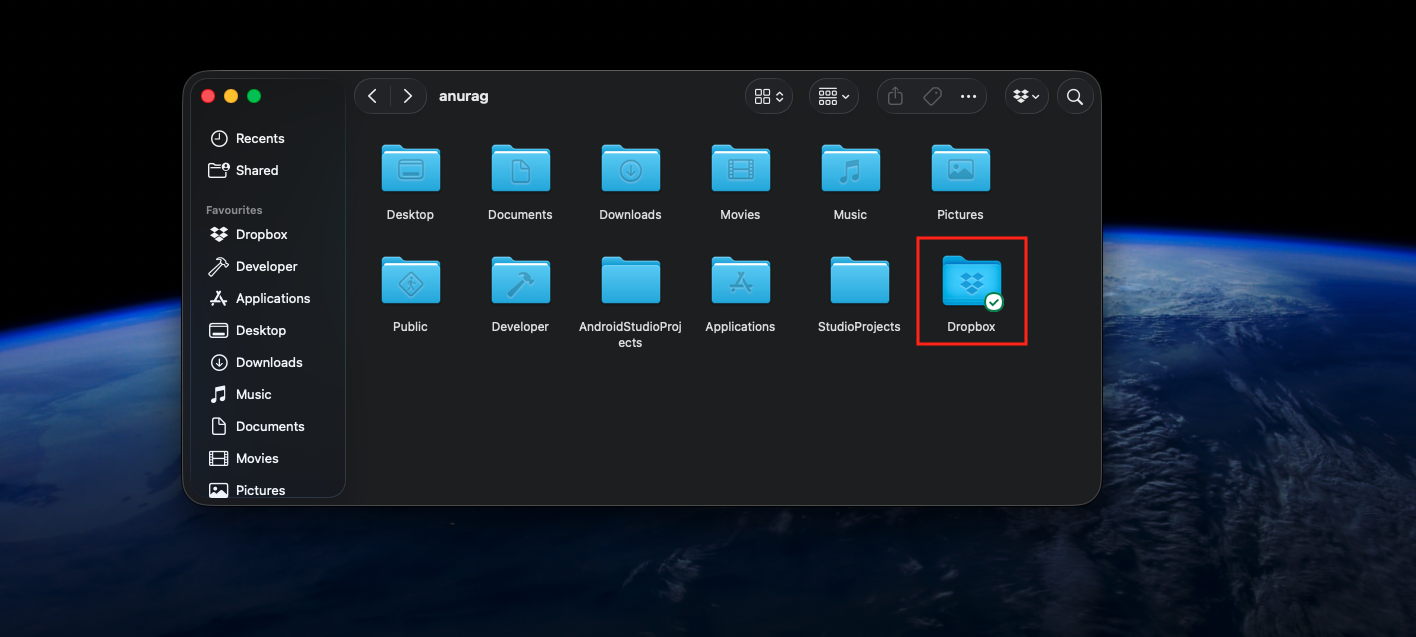
- Click on the Finder icon in your dock.
- In the top Apple menu bar, click on Go, and then select Go to Folder from the drop-down menu. You can also press Shift + Command + G.
- In the text field, exactly type or paste: ~/Dropbox/.dropbox.cache

- Press Return to jump directly to the hidden folder.
- Select all the contents inside this folder and drag them to the Trash.
- Securely empty your Mac’s Trash bin.
3. Unlink and Relink the Hardware
Sometimes, the security token that authenticates your specific computer to the cloud servers becomes invalid or corrupted. When this token expires unexpectedly, the servers refuse the connection, resulting in Error Code Dropbox 8737.IDJ.029.22. You must sever the connection and generate a brand-new security token.
- Open the Dropbox application on your computer and click on your profile picture or initials in the top right corner.
- Select Preferences from the drop-down menu.
- In the Preferences window, navigate to the Account tab.
- Click the button labeled Sign Out or Unlink This Dropbox. A warning will appear stating that your files will stop syncing; confirm your choice to proceed.
- The application will reboot and present you with a fresh login screen.
- Enter your email address, your password, and your Two-Factor Authentication code if you have security protocols enabled.
- Upon logging back in, the software will re-index your entire local folder. This indexing process may take anywhere from a few minutes to an hour depending on the size of your hard drive, but it will seamlessly merge your local files with the cloud without duplicating them.
4. Configure Firewall and Antivirus Exceptions
If your cache is clean and your account is properly linked, but the desktop client still refuses to connect, your computer’s security software is likely intercepting the network traffic. You must manually instruct your firewall to trust the application.
For Windows Defender:
- Click the Windows Start button, type Windows Security, and open the application.
- Click on Firewall & network protection.
- Click the hyperlink labeled Allow an app through firewall.
- Click the Change settings button (this requires an administrator password).
- Scroll down the list of allowed apps until you find Dropbox. Ensure that both the Private and Public checkboxes next to it are securely checked. If the application is missing from the list entirely, click Allow another app, browse to C:\Program Files (x86)\Dropbox\Client, and select the main executable file to manually whitelist it.
- Click OK to save your new security rules.
For Third-Party Antivirus (Norton, McAfee, Bitdefender):
If you run dedicated third-party security software, you must open the specific antivirus dashboard, navigate to the “Exceptions,” “Allowed Threats,” or “Firewall Rules” section, and manually add the entire Dropbox installation folder to the safe list.
5. Flush the DNS and Reset Network Sockets
A corrupted Domain Name System (DNS) cache on your computer can route your desktop client to dead or outdated server IP addresses. Flushing your network sockets forces your operating system to request fresh, accurate routing pathways to the cloud infrastructure.
Windows Network Flush:
- Click the Start button, type cmd, right-click the Command Prompt application, and select Run as administrator.
- In the black terminal window, type the following command exactly and press Enter: ipconfig /flushdns
- Wait for the success message. Then, type this second command and press Enter: netsh winsock reset
- Restart your entire computer to apply the network socket reset.
macOS Network Flush:
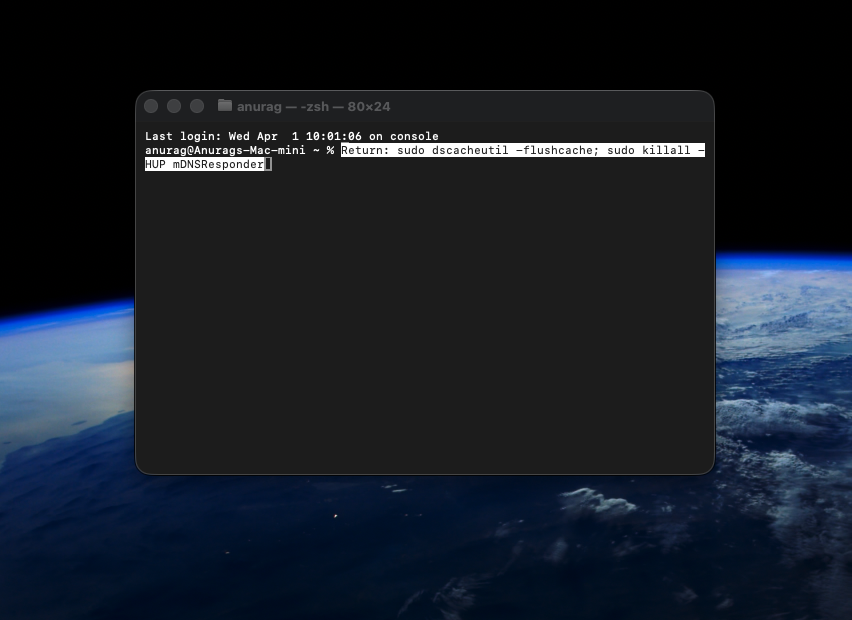
- Open the Terminal application (found in Applications > Utilities).
- Type the following command and press Return:
- sudo dscacheutil -flushcache
- sudo killall -HUP mDNSResponder

- You will be prompted to enter your Mac’s administrator password. The characters will remain invisible as you type; this is normal. Press Return.
- Reboot your Mac.
6. Perform an Advanced Clean Reinstallation
If absolutely none of the previous steps have resolved the Error Code Dropbox 8737.IDJ.029.22, you are dealing with a deeply rooted registry corruption or a shattered installation file. A standard uninstall from the control panel will not fix this, as it leaves behind the broken hidden folders that are causing the crash. You must perform an advanced, clean reinstallation.
- Uninstall the Software: On Windows, go to Settings > Apps > Installed Apps, find Dropbox, and click Uninstall. On Mac, drag the application from your Applications folder to the Trash.
- Purge the AppData (Windows Only): Press Windows Key + R, type %LOCALAPPDATA%, and press Enter. Locate the Dropbox folder in this directory and delete it entirely. Next, open the Run box again, type %APPDATA%, press Enter, find the Dropbox folder, and delete it. This ensures zero corrupted preference files survive the wipe.
- Download the Offline Installer: Do not use the standard web installer from the main homepage, as network drops during the installation can recreate the exact same error. Navigate to the official website’s support section and download the Offline Installer. This is a much larger file that contains the entire software package in one download.
- Reinstall as Administrator: Right-click the newly downloaded Offline Installer file and select Run as Administrator. Follow the on-screen prompts to complete the installation. By forcing administrator rights, you ensure the software writes perfectly clean, uncorrupted registry keys to your operating system.
Conclusion
Encountering complex, alphanumeric synchronization failures can be incredibly stressful, especially when you rely on cloud infrastructure to protect your most vital documents and creative assets. However, these issues are rarely fatal to your actual data. The Error Code Dropbox 8737.IDJ.029.22 is simply a strict diagnostic warning indicating that the secure bridge between your local hard drive and the remote servers has been temporarily compromised by corrupted data, invalid security tokens, or aggressive firewall interventions.
By systematically working through the exact troubleshooting methods outlined above—from flushing the hidden cache directory to executing an advanced clean reinstallation, you can completely eradicate the underlying software conflicts. Knowing exactly Error Code Dropbox 8737.IDJ.029.22 | How to Fix it puts you back in the driver’s seat of your digital workflow, ensuring your files remain secure, updated, and accessible whenever and wherever you need them.
ALSO READ:
- How to Fix AltStore Error 22410 When Installing Apps
- How to Fix Stick Drift on PS5 Controller with Real Working Fixes
- How to Pay Your Verizon Bill Without Logging In
- Teams Mic Not Working After 24H2 Update? Try These Working Fixes
- How to Use Google Authenticator Transfer to Move Codes to a New Phone