
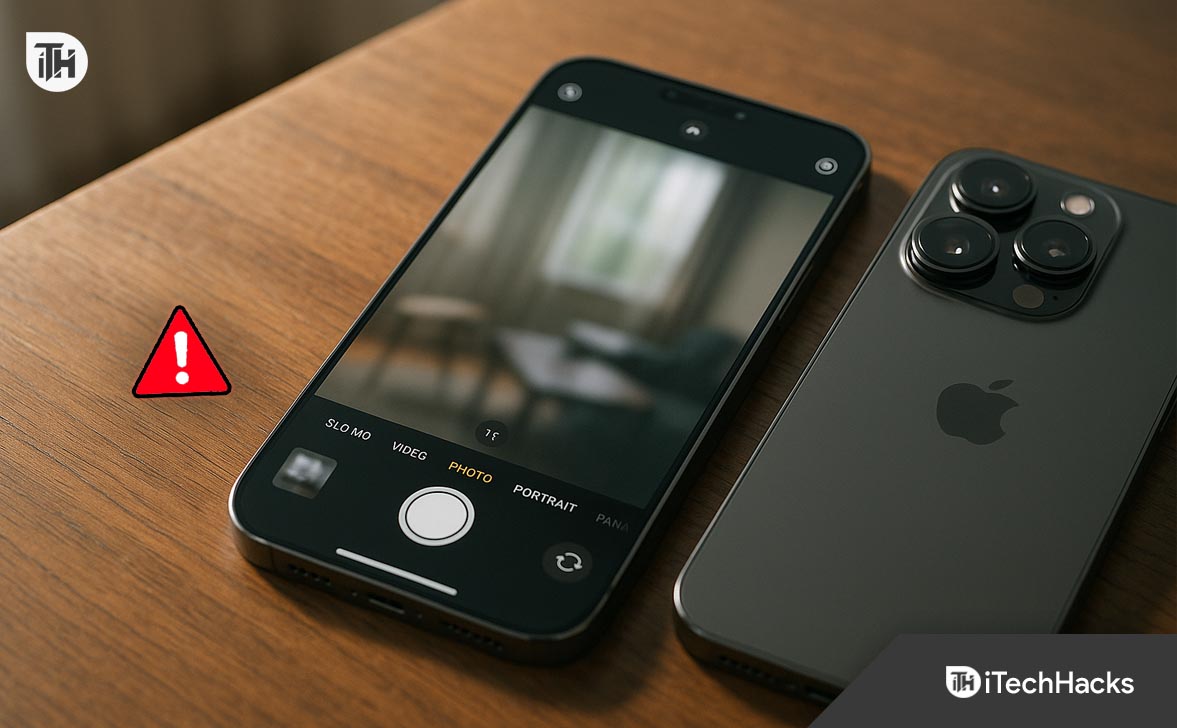
- After updating to iOS 26, some users, especially with the iPhone 17 Pro Max, notice blurry camera images due to issues like misaligned autofocus or software glitches. These problems can affect focus, brightness, and detail clarity.
- Simple fixes include cleaning the lens with a microfiber cloth, updating the iPhone, toggling camera settings, and restarting the device to reset focus and recalibrate the camera.
- If problems continue, more complex solutions like testing each lens individually, disabling certain settings, or consulting Apple support for a possible camera recalibration or minor replacements can help restore clear photo quality.
Users updating to iOS 26 sometimes discover that the camera is blurry, especially on models like the iPhone 17 Pro Max and even older iPhones. The symptom often manifests as soft, out-of-focus images, distortion, or failure of autofocus to lock. When iOS 26.0.1 camera are blurry becomes a search phrase, it reflects frustration among technically adept users. This issue undermines one of the flagship features of Apple’s ecosystem—the camera performance. In this article, I dissect the causes, walk you through precise solutions, and provide expert insight on preventing such problems in future updates.
What “iOS 26.0.1 camera are blurry” really means
When users report that iOS 26.0.1 camera are blurry, they typically notice:
- Images that are persistently out of focus, despite tapping on subject
- Autofocus hunting or failing
- Blurry video capture, especially in low light or with motion
- Distortion or glassy softness during macro or close-up modes
The phrase signals a specific regression following the iOS 26 update cycle. Because this issue can occur on both newer hardware (like iPhone 17 Pro Max) and older iPhones, the root causes span software, hardware, and firmware interactions.
Common Problems with iOS 26 Camera Blurriness
Here are the frequent issues when camera blurry rears up post-update:
1. Autofocus calibration misalignment
iOS updates can slightly shift autofocus calibration, causing the lens position or algorithm control to deviate. That is often the immediate reason behind iOS 26.0.1 camera are blurry complaints.
2. Lens cover, gasket, or dirt interference
Physical blockage—smudges, dust, or a misaligned lens ring after a drop—can generate a blur regardless of software version.
3. Third-party camera app conflicts
When third-party apps don’t conform to changes in APIs in iOS 26, they may override or interfere with the native camera’s autofocus staging, leading to blur.
4. Hardware sensor or lens shift damage
Over time, slight micro-shifts in the camera module or damage from impact can manifest only under new, more demanding software, revealing blur.
5. Software bugs or memory allocation faults
A bug in iOS 26 or 26.0.1 may instruct the camera subsystem to choose suboptimal error-prone focus algorithms or drop calibration data.
6. Incompatibility or cache corruption
Residual caches or settings from prior versions (iOS 25 or earlier) may not align with the new runtime, interfering with sharp image capture.
Diagnosing the Blurry Camera Issue
Before you attempt fixes, confirm the precise nature of the blur. Use this diagnostic checklist:
-
Check all lenses: If only one lens (wide, ultra-wide, telephoto) is blurry, hardware or lens gasket issue is likely.
-
Test in different lighting: If blur appears only in low light or high contrast, secondary factors like stabilization or exposure may be involved.
-
Try the native Camera app in default settings: Disable third-party apps, reset any manual focus, and confirm whether the built-in interface also produces blur.
-
Use a diagnostic or third-party tool: Apps like Halide let you track focus value, lens position, and more. If focus values oscillate or never converge, that indicates autofocus failure.
-
Check for firmware or diagnostic logs via Apple support tools: Inspect whether the camera subsystem reports focus calibration faults.
Once you determine whether blur is across all modes (photo, video, macro) or limited to one, you can narrow root causes.
When you update your iPhone to iOS 26 or iOS 26.0.1, one of the most frustrating things that can happen is discovering your camera is blurry. Whether you’re using the latest iPhone 17 Pro Max or an older model, this issue makes even the best sensor feel useless.
The good news? Most cases aren’t hardware failures—they’re calibration or software glitches introduced during the update. Below is a step-by-step guide written like a real technician would explain it — no filler, no hype, just precise, working solutions for iOS 26 camera blurry problems.
iOS 26.0.1 Camera Are Blurry on iPhone 17 Pro Max and Older iPhones
Step 1: Clean the Lens Properly (Not Just a Quick Wipe)
Before assuming anything complex, start simple. A thin oil film or fog inside your case’s lens ring can instantly soften every shot.
- Remove your phone case and lens protector.
- Use a microfiber cloth — not tissues or shirts, which scratch glass.
- If you see condensation, warm the phone gently in a dry place for 5–10 minutes.
- Avoid alcohol wipes unless they’re designed for optics.
Then open the Camera app and test focus on small text or fine textures (like a barcode). If sharpness improves, you’ve already solved it.
Step 2: Restart and Force the Camera to Recalibrate
After major system updates like iOS 26, the camera module can temporarily misbehave due to driver resets.
- Swipe up from the bottom → close the Camera app and any photo-related apps.
- Go to Settings → General → Shut Down.
- Wait 30 seconds before powering back on.
This quick restart lets the autofocus motors and image pipeline reload cleanly. Try snapping the same subject again. If the camera blurry problem remains, go deeper.
Step 3: Toggle Key Camera Settings to Clear Stuck States
Sometimes, iOS keeps an internal configuration that doesn’t align with new update logic.
Go to Settings → Camera, then:
- Turn Preserve Settings OFF and back ON.
- Toggle Lens Correction OFF → ON.
- Enable Macro Control (on Pro models).
- Turn Grid ON for alignment testing.
-
Temporarily disable View Outside the Frame (it can make previews look soft).
Now open the Camera app and get close to a subject. If the yellow flower icon appears (Macro mode), tap it to disable it and compare both versions — you’ll notice how iOS 26.0.1 macro auto-switching sometimes introduces blur.
Step 4: Test Each Lens Individually
If you have an iPhone 17 Pro Max or any model with multiple lenses, isolate which one’s giving trouble.
-
Switch between 0.5x (ultra-wide), 1x (main), and 3x/5x (telephoto).
-
Focus on the same subject each time.
-
Tap on detailed objects — text, a keyboard, or a pattern.
If only one lens stays soft, that’s a clue: it’s likely hardware misalignment or dust under the lens, not software. But if all lenses look blurry, continue troubleshooting the system.
Step 5: Disable Live Photos and Photographic Styles
Post-processing effects can exaggerate blur or hide real focus issues.
-
Open Camera and tap the Live Photo icon → turn it OFF.
-
If you use Photographic Styles, set it to Standard.
-
Avoid Portrait mode for testing (it blurs the background by design).
Now take three photos at different distances. Many users find that once Live Photo is off, their camera instantly regains clarity.
Step 6: Reset All Settings (iOS 26-Specific Fix)
When settings conflict after an update, the only reliable solution is to reset all settings — it keeps your data but clears system configurations.
- Open Settings → General → Transfer or Reset iPhone.
- Tap Reset → Reset All Settings.
- Enter passcode, confirm, and let the phone reboot.
Afterward, test the camera immediately before reapplying your old preferences. This alone fixes the iOS 26.0.1 camera are blurry issue for many users.
Step 7: Check for Minor Updates or Camera Firmware Fixes
Apple often sneaks camera patches into small updates (like iOS 26.0.2 or Rapid Security Responses).
- Go to Settings → General → Software Update.
- Install if available.
- Restart your device once more.
Also, accept any Carrier Settings Update pop-ups. These sometimes adjust ISP (Image Signal Processor) parameters affecting camera stability.
Step 8: Free Up Storage and Cool Down the Device
A full or overheated iPhone throttles processing and can lower image quality temporarily.
- Make sure you have at least 5–10 GB free.
- Delete old 4K clips or unused apps under Settings → iPhone Storage.
- Let the device rest for a few minutes before retesting the camera.
You’ll be surprised how often heat or low space mimics a “blurry camera” symptom on iOS 26.
Step 9: Test Third-Party Camera Apps
Apps like Instagram, Snapchat, or TikTok use custom camera APIs. Some may not yet be optimized for iOS 26.0.1.
- Open the stock Camera app — take a photo.
- Then open your third-party camera and capture the same shot.
- Compare both images.
If Apple’s Camera app looks fine but the others look soft, uninstall and reinstall those apps — or wait for developer updates.
Step 10: Use AE/AF Lock for Reliable Manual Focus
If autofocus feels “lazy” after the update, manual control helps.
- Open Camera → tap and hold your subject until AE/AF LOCK appears.
- Slide the sun icon up or down to adjust exposure.
- Then shoot — the phone won’t refocus automatically.
This is a powerful technique for document shots or close-ups on iOS 26, especially when autofocus fails.
Step 11: Switch Formats (HEIF vs RAW)
The iOS 26 camera pipeline occasionally introduces extra noise reduction that smears fine detail.
- Go to Settings → Camera → Formats.
- Turn off Apple ProRAW for a moment and stick with High Efficiency (HEIF).
- If you use manual camera apps, test one RAW and one HEIF shot for comparison.
If RAW photos look sharp but HEIF are soft, it’s purely a software processing issue — wait for Apple’s next patch.
Step 12: Perform a Complete Restore (For Persistent Issues)
If you’ve reached this point and your iPhone’s camera is still blurry, a clean system rebuild is the definitive test.
- Backup your phone to iCloud or a computer.
- Connect to a Mac → Finder → select your iPhone → Restore iPhone.
- Once done, set up as new (don’t restore backup yet).
- Test the camera immediately.
If it’s sharp now, you had a corrupted configuration. You can safely restore data later.
If not, the issue is 100% hardware or lens calibration — proceed to the next step.
Step 13: Visit Apple for Camera Recalibration
When software fails, Apple’s in-store calibration tool (used in their diagnostics) can realign the camera’s focus tables and replace faulty modules if needed.
What they’ll check:
- Lens element alignment
- Sensor tilt
- OIS (Optical Image Stabilization) drift
- LiDAR synchronization on Pro models
If your phone is under warranty or AppleCare+, the fix is often free.
Step 14: Keep Your Camera Sharp (Prevent Future Issues)
Here’s how to prevent the iOS 26 camera blurry issue from returning:
- Always clean lenses weekly.
- Avoid using low-quality magnetic cases that flex near the camera bump.
- Keep your phone updated to the latest stable build, not betas.
- Don’t overfill storage; keep 10 GB free.
- Avoid sudden temperature changes — fog is your enemy.
FAQs
1. Why is my iPhone camera blurry after updating to iOS 26.0.1?
Apple occasionally changes focus algorithms. If calibration data didn’t transfer cleanly, the lens may not focus correctly until settings are reset.
2. Can I fix a blurry camera without restoring my iPhone?
Yes. Cleaning, toggling camera settings, resetting all settings, and disabling macro auto-switch usually solve the issue without a full restore.
3. My iPhone 17 Pro Max blurs in macro shots only — why?
Macro control may be auto-switching between lenses. Keep Macro Control ON in settings and disable the flower icon manually when needed.
4. Is it safe to roll back from iOS 26.0.1 to iOS 25?
Only if Apple is still signing the older firmware — otherwise, you risk losing support. Usually, waiting for the next iOS patch is safer.
5. Does the blurry issue affect all iPhones or just newer ones?
Reports appear across several models, from iPhone 13 to iPhone 17 Pro Max. The cause varies between firmware and hardware tolerance.
Final Thoughts
When iOS 26.0.1 camera are blurry, it’s not the end of your iPhone’s photography quality. Most cases resolve once you reset the camera environment, disable macro flipping, and ensure settings sync properly.
If none of the software steps restore clarity, Apple’s calibration or a minor lens replacement will. The key is to test methodically, keep your lenses clean, and update regularly. Once fixed, your iPhone 17 Pro Max on iOS 26 will again deliver the crisp, detailed images Apple is known for.
ALSO READ:
- Can’t Make Outgoing Calls After iOS 26 Update? Fix iPhone Call Failed Errors
- Fix No Sound for Text Messages, Keyboard & Emails After iOS 26
- iPhone 17 Data Transfer Failed? Fix “Unable to Complete Data Transfer” in iOS 26
- How to Use iOS 26 Battery Settings to Fix Excess iPhone Drain
- How to Clear Safari History on iOS 26 Without Losing Data
- How to Fix iOS 26 Stuck on Black Screen: Step-by-Step Guide